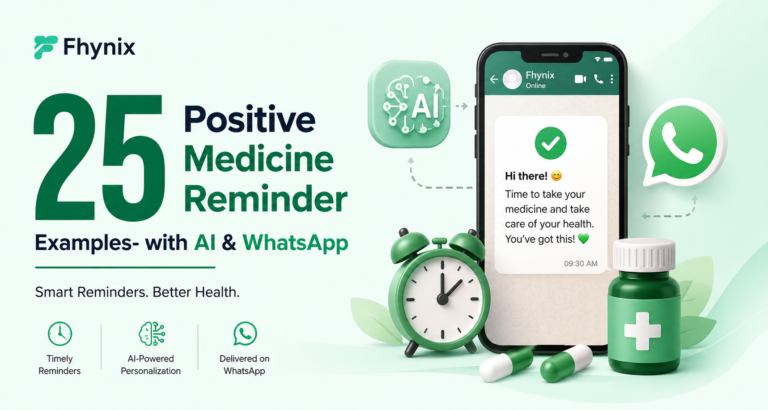
Medication reminders are no longer just alarms. The best systems today combine behavioral psychology, positive reinforcement, and smart automation to help people actually stick to their treatment.
And that matters more than most people realize.
According to the World Health Organization, around 50% of patients do not take medications as prescribed, making poor adherence one of the biggest challenges in healthcare.
Even more striking:
“Drugs do not work in patients who do not take them.”
This is where positive medicine reminders come in.
Why Positive Medicine Reminders Matter
Most apps send robotic alerts like:
“Take your pill.”
That doesn’t work long-term.
The real problem:
- Forgetfulness causes 22–73% of missed doses
- Adherence drops over time
- Motivation fades without emotional reinforcement
What works instead:
👉 Positive, human-centered reminders
Because behavior change isn’t about instructions — it’s about emotion + context + consistency
What Are Positive Medicine Reminder Examples?
These are reminders that:
- Encourage instead of instruct
- Build habits instead of forcing compliance
- Connect medication to outcomes (health, energy, goals)
How to Set This Up in Fhynix (AI + Color Coding + WhatsApp)
This is where most apps stop — but this is where Fhynix wins. Here is a Harvard study that suggests exactly this:
Step 1: Use AI to Create Smart Reminders
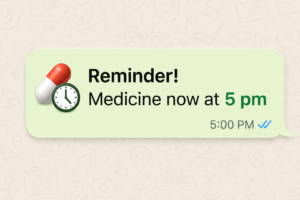
Instead of typing everything manually:
👉 Just message your goal:
“Remind me to take my BP meds daily at 8am with motivation”
Fhynix AI will:
- Generate positive reminder copy
- Add it to your calendar
- Optimize timing based on routine
Step 2: Color Code Your Medications
Color = clarity = consistency
Example system:
- 🔴 Red → Critical meds (must not miss)
- 🟡 Yellow → Supplements
- 🟢 Green → Recovery / optional meds
- 🔵 Blue → Night routines
Why it works:
- Reduces decision fatigue
- Makes your day visually structured
- Reinforces importance hierarchy
Step 3: Get WhatsApp Reminders (Game Changer)
Unlike most apps, Fhynix sends reminders directly on:
👉 WhatsApp (not just push notifications)
Why this matters:
- Higher open rates
- Less likely to be ignored
- Feels like a real message, not an app alert
25 Positive Medicine Reminder Examples (You Can Use Today)
🌅 Morning Motivation
- “Start your day strong — your health comes first 💙”
- “Future you will thank you for this small step”
- “Consistency beats intensity — take your dose”
💪 Habit Reinforcement
- “One step closer to feeling better”
- “You’ve got this — just one pill at a time”
- “Progress is built daily. This counts.”
🧠 Emotional Framing
- “Taking care of yourself is not optional”
- “Your health is your biggest asset”
- “You deserve to feel better”
🎯 Goal-Oriented Reminders
- “This keeps your energy high today”
- “Stay on track — you’re doing great”
- “Small actions → big outcomes”
❤️ Self-Care Nudges
- “Pause. Breathe. Take your meds.”
- “You matter — take care of yourself”
- “Self-care starts here”
⏰ Smart Contextual Reminders
- “Before breakfast — quick health check-in”
- “After dinner routine: don’t forget your meds”
- “Wind down with your night dose”
📈 Accountability Boosters
- “Day 3 streak — keep it going!”
- “Don’t break the chain 🔥”
- “You’re building a powerful habit”
🤝 Social/Support Framing
- “Your future family thanks you”
- “Taking care today = stronger tomorrow”
- “Your body is on your team”
🧘 Mindful Prompts
- “This is a moment of care, not a chore”
Best Apps for Medicine Reminders (Pros & Cons)
Here’s a realistic comparison of top tools:
1. Medisafe
Pros
- Clean UI
- Good tracking
Cons
- Generic reminders
- Limited personalization
2. MyTherapy
Pros
- Health tracking features
- Free to use
Cons
- Feels clinical
- Low emotional engagement
3. CareClinic
Pros
- Advanced tracking
- Good for chronic illness
Cons
- Complex UI
- Overwhelming for daily use
4. Mango Health
Pros
- Gamified experience
Cons
- Limited AI capabilities
- Not deeply customizable
5. Apple Health + Reminders
Pros
- Native ecosystem
Cons
- No behavior intelligence
- No motivation layer
Why Fhynix Wins
👉 Not just reminders — behavior design system
- AI-generated personalized reminders
- WhatsApp delivery (huge advantage)
- Visual planning (calendar + color coding)
- Built for habits, not just tasks
Key Takeaways
- 50% of people don’t take medication correctly — reminders matter
- Positive reminders outperform robotic alerts
- AI + context + emotion = better adherence
- WhatsApp reminders significantly improve engagement
👉 Explore more about the best productivity apps that help you manage both personal and professional life with ease. And set up Iphone reminders:
{ “@context”: “https://schema.org”, “@type”: “FAQPage”, “mainEntity”: [ { “@type”: “Question”, “name”: “What are positive medicine reminder examples?”, “acceptedAnswer”: { “@type”: “Answer”, “text”: “Positive medicine reminders are encouraging messages that motivate users to take medication consistently by focusing on benefits, self-care, and emotional reinforcement.” } }, { “@type”: “Question”, “name”: “Why is medication adherence important?”, “acceptedAnswer”: { “@type”: “Answer”, “text”: “Medication adherence ensures treatments work effectively. Poor adherence can worsen health outcomes and increase healthcare costs.” } }, { “@type”: “Question”, “name”: “How can I remember to take my medicine daily?”, “acceptedAnswer”: { “@type”: “Answer”, “text”: “Use smart reminders, habit stacking with daily routines, and AI-powered apps that personalize notifications.” } }, { “@type”: “Question”, “name”: “Are WhatsApp reminders better than app notifications?”, “acceptedAnswer”: { “@type”: “Answer”, “text”: “Yes, WhatsApp reminders have higher open rates and feel more personal, making them more effective.” } }, { “@type”: “Question”, “name”: “Can AI help with medication reminders?”, “acceptedAnswer”: { “@type”: “Answer”, “text”: “Yes, AI can personalize timing, messaging, and nudges to improve medication adherence.” } } ] }