The Flaws of Productivity Monitoring and a Better Approach
When companies think about productivity tracking, their first instinct is often to install surveillance software to monitor every keystroke, website visit, and minute away from the keyboard. While this approach seems logical, it has several key flaws:
1. Activity ≠ Achievement
Monitoring software shows what people are doing, but doesn’t measure if that work is meaningful or valuable.
2. Presence ≠ Performance
Being at the keyboard doesn’t equate to productivity. It’s about the quality, not just the quantity, of work.
3. Surveillance ≠ Motivation
Constant monitoring can undermine trust, morale, and motivation factors that are far stronger predictors of sustained productivity.
The Better Approach: Managing, Not Monitoring
The most effective productivity systems are built on managing time, not just tracking activities. Key strategies include:
- Helping individuals structure their time and prioritize tasks effectively.
- Fostering intention in work, rather than relying on constant surveillance.
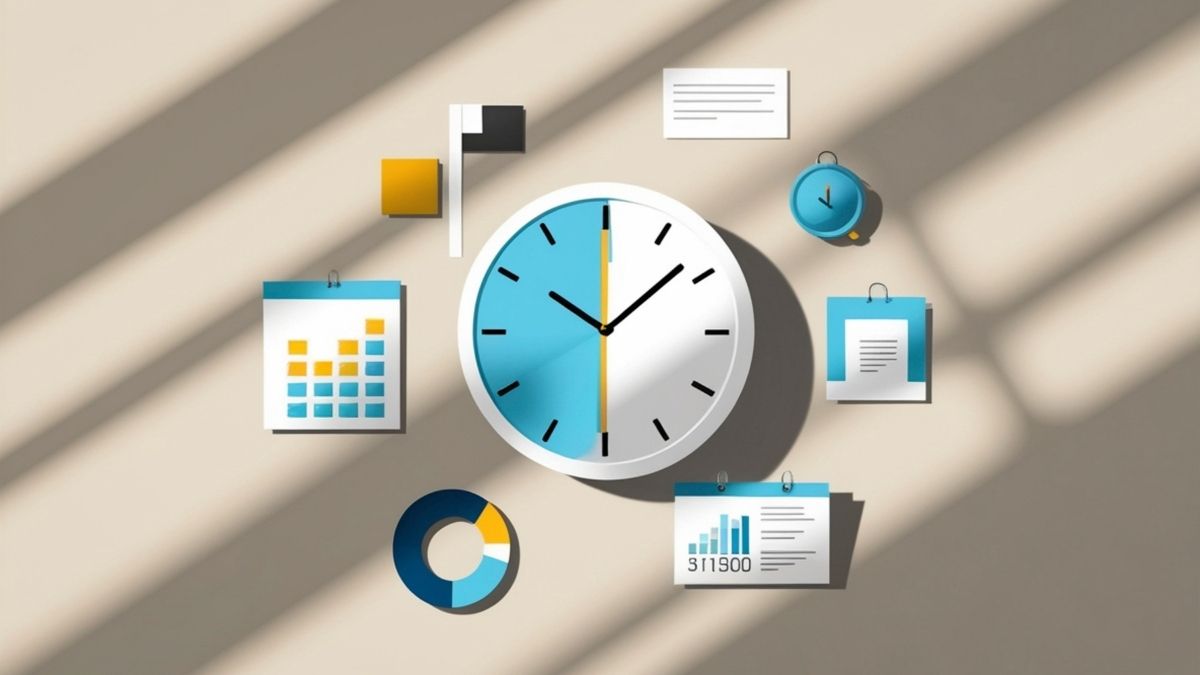
A calendar-first approach can be far more effective, focusing on high-value tasks and creating an environment of trust and motivation, ultimately leading to sustainable productivity.
1. It measures presence, not output
An employee can sit at a desk for eight hours, generate thousands of keystrokes, visit dozens of work-related sites, and produce almost nothing of value. Conversely, someone can work in deep focus for three hours, produce transformative work, and appear “idle” by monitoring software standards. The metrics being tracked are entirely disconnected from the outcomes that actually matter.
2. It Destroys Trust and Morale
When people know they are being watched, surveilled, and measured by software that does not understand context, resentment builds quickly. The implicit message of monitoring software is: “We do not trust you to manage your own time.” This erodes psychological safety, reduces intrinsic motivation, and often leads to counterproductive behaviors like performative busyness, looking productive rather than being productive.
3. It creates a culture of compliance, not ownership
Surveillance-based productivity systems incentivise people to meet the minimum observable standard rather than take ownership of their work. Why stay late to solve a difficult problem when the monitoring software already logged you for eight hours? Why innovate when the metrics only reward visible activity? Over time, this breeds a culture where people optimise for the appearance of work rather than the reality of contribution.
4. It ignores the nature of modern knowledge work
Deep work, the kind of focused, uninterrupted thinking that produces real breakthroughs, often looks like doing nothing to monitoring software. Thinking does not generate keystrokes. Planning does not visit URLs. Reflection does not move the mouse. Yet these are precisely the activities that separate exceptional performance from mediocre busyness. Monitoring software is built for factory floors, not for the cognitive complexity of modern professional work.
What Actually Drives Sustainable Productivity
If monitoring does not work, what does? Research from organisational psychology, neuroscience, and decades of management science points to a handful of factors that genuinely drive sustained high performance. None of them involve surveillance.
1. Clear Priorities and Structured Time
People perform best when they know exactly what matters most and when they have allocated specific time to work on it. Productivity is not about working harder; it is about working on the right things at the right time. A well-structured calendar that reflects genuine priorities is far more effective than any monitoring dashboard. Professionals who use calendar-first time management report significantly higher output and lower stress than those who rely on reactive task lists.
2. Autonomy and ownership
Study after study confirms that autonomy, the ability to control how, when, and where you work, is one of the strongest predictors of both productivity and job satisfaction. When people feel trusted to manage their own schedules, they take greater responsibility for results. When they feel surveilled, they do the minimum required to avoid punishment.
3. Regular reflection and adjustment
The most productive people do not just work; they regularly step back, evaluate what is working, and adjust. Weekly planning reviews, daily check-ins with your calendar, and honest assessments of where time actually went create a feedback loop that monitoring software cannot replicate. This kind of self-awareness is the foundation of continuous improvement.
4. Tools that support focus, not surveillance
The right productivity tools help you design your day, block distractions, and stay aligned with your goals. They do not report your activity to someone else. They help you be accountable to yourself. This is the fundamental difference between monitoring software and productivity software: one watches you, the other helps you.
A Better Approach: Calendar-First Productivity

Instead of monitoring what people do, a smarter approach is to help them manage their time intentionally. A calendar-first system does exactly this: it makes time visible, priorities clear, and focused work the default rather than the exception.
Time Blocking for Intentional Work
Rather than leaving work to happen whenever there is time, time blocking assigns every important task a specific slot in your calendar. When deep work has a dedicated two-hour block in your schedule, it is protected from interruptions, meetings, and reactive distractions. This is not surveillance, it is structure. And structure is what makes sustained focus possible. Understanding how to implement calendar-first scheduling transforms productivity from something that happens randomly to something you design deliberately.
Unified Visibility Without Micromanagement
A shared team calendar shows what people are working on without tracking their keystrokes or screenshots. It creates alignment and accountability through transparency rather than surveillance. When everyone can see the big picture, who is working on what, when key milestones are due, and where collaboration is needed, productivity improves naturally without anyone feeling watched.
Self-Managed Accountability
The most effective accountability is internal, not external. When you commit to a time block in your calendar, you are making a promise to yourself. When you review your week and see whether you honored those commitments, you are holding yourself accountable. This kind of self-direction is far more motivating and sustainable than being monitored by software that treats you like a resource to be optimised rather than a person to be trusted.
Reminders That Help, Not Harass
Instead of surveillance alerts notifying a manager when you have been idle, smart reminders nudge you at the right moment to stay on track with your own priorities. A well-timed reminder that your focus block is starting in ten minutes is helpful. A screenshot taken every five minutes to prove you are working is demoralising. The difference is trust.
Productivity Tracking for Different Contexts
The best productivity approach depends on your specific context. Monitoring software takes a one-size-fits-all approach. A calendar-first system adapts to your reality.
For Remote Teams
Remote work thrives on trust, not surveillance. Instead of installing monitoring software, create shared visibility through calendar integration and regular asynchronous check-ins. When team members can see each other’s focus blocks and availability, coordination happens naturally. Tools designed to support remote collaboration, not monitor it, create healthier, more productive distributed teams. The rise of remote work has made work-life balance systems essential for sustainable performance across time zones and flexible schedules.
For Freelancers and Solopreneurs
When you work for yourself, monitoring software is obviously pointless. What you need is a system that helps you stay disciplined without external accountability. A well-designed calendar creates that structure. Understanding the best work tracking approaches for freelancers helps you stay productive without sacrificing the autonomy that drew you to independent work in the first place.
For Students Managing Competing Demands
Students juggling classes, assignments, social life, and personal commitments need visibility over their time, not surveillance. A calendar that shows study blocks, deadlines, and personal time in one unified view prevents the chronic overwhelm that tanks academic performance. The students who thrive are not those who work the hardest; they are those who plan smartest. Resources like the guide to the best student planner apps help younger professionals build time management skills early, before reactive habits become entrenched.
For Parents Coordinating Family Life
Parents are not trying to monitor their own productivity; they are trying to prevent their family schedule from collapsing into chaos. This is productivity tracking in service of sanity, not surveillance. The mental load of managing a household is invisible to monitoring software but very real to the people living it.
How Fhynix Supports Smarter Productivity
Fhynix is not a monitoring software. It is a planning and productivity tool built on the principle that people perform best when they have clarity, structure, and autonomy, not when they are being watched.
Here is how Fhynix helps you manage productivity without surveillance:
- Calendar-first task management: Your to-dos are not floating on a list somewhere; they live directly in your calendar timeline, making your day visible and your priorities clear at a glance.
- Voice and text input: Add tasks instantly by speaking or typing in natural language. “Focus block tomorrow 9 to 11 am” becomes a calendar event immediately, with no friction and no forgetting.
- WhatsApp reminders: Get timely nudges through the channels you already monitor, so you stay on track with your own commitments without needing external accountability.
- Unified calendar integration: Sync Google, Microsoft, and Apple calendars into one unified view so you can see your full day work, personal, and family without toggling between apps.
- Habit and routine tracking: Monitor your own consistency over time. See patterns, build streaks, and create the kind of sustainable momentum that surveillance can never generate.
AI-powered scheduling: Fhynix helps you plan smarter, not work harder. The AI understands context, adapts to your patterns, and makes intelligent suggestions, all while leaving you in full control.
For those looking to explore the broader landscape of productivity tools that support rather than surveil, the 30 best productivity apps guide offers a comprehensive overview of tools designed to help you work better, not just prove you are working.
Productivity Is About Design, Not Surveillance

High performance comes from intentional time design, protecting focus, and fostering trust, not from constant monitoring.
- Monitoring tracks activity, not achievement; presence, not performance; compliance, not contribution.
- Instead, focus on what matters: clear priorities, structured time, and systems that help people manage themselves.
Download Fhynix on iOS or Android and build your first routine that actually sticks. Start designing your day today!
Frequently Asked Questions
Monitoring software focuses on activity, not outcomes. Calendar-first productivity prioritizes high-value tasks, protects focus time, and fosters autonomy leading to sustained performance.
Fhynix combines calendar-first scheduling, WhatsApp reminders, unified calendar integration, and AI suggestions. It helps you manage time and build focus, rather than monitoring every action.
Yes. Shared calendars provide visibility and alignment, reducing the need for surveillance. Teams coordinate naturally while maintaining trust, accountability, and productivity across locations.
Students can time-block study sessions, assignments, and personal commitments in a single view. This reduces overwhelm, increases focus, and builds effective time management habits early.
Not necessarily. Fhynix complements other tools like task managers or focus apps. Its strength is building a structured, intentional day, while other apps can address specialized needs.