

Planning your day is more than jotting down to-dos—it’s about steering your time purposefully. Done right, it empowers clarity, focus, and results. In this guide, we’ll walk you through the why, the how, powerful methods, real-user wisdom, and tools to transform your planning game. You can download the Fhynix app here ios or android
Why Planning Your Day Matters
Without structure, days turn into a blur of distractions, forgotten priorities, and stress.
Effective planning:
Builds momentum—even when energy is low.
Helps align daily tasks with long-term goals.
Creates a sense of control and accomplishment.
The Hidden Cost of Not Planning Your Day

Failing to plan your day doesn’t just leave you feeling scattered — it has measurable consequences on your productivity, mental energy, and even your career progress. Here’s what the data says:
1. Time Lost to Decision Fatigue
Without a plan, you spend valuable brainpower figuring out what to do next. According to a study in Psychological Science, making frequent small decisions throughout the day can deplete mental resources, leading to poorer choices later (Baumeister, 2003). This means you might start strong in the morning but lose focus by mid-afternoon.
📊 Impact: People who don’t pre-plan their day can lose up to 2 hours daily just switching between tasks or deciding what’s next (McKinsey, 2012).
2. Lower Productivity and Missed Deadlines
When tasks aren’t prioritized, urgent but unimportant work often takes over. A survey by Atlassian found that 31% of workers waste time on unnecessary meetings and 40% procrastinate on high-value tasks simply because there’s no clear schedule.
📊 Impact: This can lead to missed project deadlines and reduced quality of work, especially in roles that require deep focus.
3. Increased Stress and Burnout
Lack of planning can trigger chronic stress. The American Psychological Association found that workers without structured workflows report 50% higher stress levels than those with planned schedules. The constant feeling of “playing catch-up” drains emotional energy, which can lead to burnout over time.
📊 Impact: Burnout doesn’t just hurt personal well-being — Gallup research shows it reduces productivity by up to 68% and increases absenteeism.
4. The Cumulative Effect Over a Year
If you lose even 1 hour per workday due to poor planning, that’s ~250 hours annually — over 6 work weeks of lost potential. Imagine what you could achieve in that time with a clear plan in place.
Step-by-Step Daily Planning Framework
Here’s a simple daily ritual inspired inspired by Japanese technique of ichigyo-zammai
A. Establish a Daily Planning Habit
Anchor planning to a consistent trigger—like your morning coffee or part of your evening wind-down . Setting a daily alarm or recurring reminder helps solidify this habit over time.
B. Connect to Your Goals
Begin by translating long-term objectives into bite-size tasks. If your goal is “learn Spanish,” your task becomes “review Duolingo for 15 minutes”
C. Schedule Your Day in Context
Take a moment to view your week—your projects, appointments, and energy patterns. Reserve time for both urgent commitments and progress-driven tasks
D. Start with Highlight Tasks, Then “Have-to-Dos”
Put your most meaningful “Highlight” task at the top, then place critical but less impactful “have-to-do” tasks around it
E. Use Proven Methodologies
Incorporate strategies like Pomodoro (25/5 split), Time Blocking, or Eisenhower Matrix to organize and work through your plan systematically
What Real People Do—Reddit Wisdom
Here’s what productivity enthusiasts are saying:
“Start with 3–5 tasks to build the habit… I aim for 9 and usually get 6 done—feels great.”
— u/tyrex93 Reddit
“I take 5 minutes each morning to review my tasks and then write them in intended order: urgent tasks first, then the bigger ones…”
— Anonymous user Reddit
“Commit to a task for 25 minutes, take 5-minute breaks, and keep your phone out during work sessions.”
— u/DTLow Reddit
5 Popular Planning Techniques
A. Pomodoro
Work in focused sprints with short breaks to maintain high energy and prevent burnout.
B. Time Blocking
Divide your day into dedicated chunks (e.g., “9–11 AM: Writing”), minimizing context-switching
C. Eisenhover Matrix
Prioritize tasks based on urgency and importance to guide action, scheduling, delegation, or elimination
D. “Highlight” + Contextual Task Shift
Map your most impactful task first, then fit the rest around it to preserve focus and flow
E. Minimal Viable Task List
Focus on 1–3 impactful tasks instead of overwhelming to-do clusters to foster a “winner effect” and positive momentum
Bonus Tips to Boost Your Planning Game
Reflect Weekly: Review accomplishments and revise plans.
Track Your Time: Logging time (even 30-minute slots) reveals blind spots in productivity Verywell Mind
Batch Similar Tasks: Grouping similar tasks (like emails or errands) enhances efficiency and reduces decision fatigue Washington Post
Use Evening Routines: Pre-plan the next day to save mental energy each morning The Times of India.
Sample Daily Planning Template
| Time | Task | Method |
|---|---|---|
| 6:30–6:40 AM | Coffee + Review 3 Highlight Tasks | Habit Anchoring |
| 6:40–7:10 AM | Pomodoro: Work on the Most Impactful | Pomodoro Technique |
| 7:10–7:20 AM | Reflect + Adjust | Real-time Review |
| 7:20–8:00 AM | Prep/Eat | Self-care block |
| 8:00–12:00 PM | Projects/Meetings | Time Blocking |
| 12:00–12:30 PM | Lunch + Reset | Break Integration |
| 12:30–3:00 PM | Deep Work (Emails/Calls) | Context-Based Task Execution |
| 3:00–3:15 PM | Break / Notes | Mindfulness |
| 3:15–5:00 PM | Wrap Up High-Priority Tasks | Pomodoro or Task Batching |
| 5:00–5:15 PM | Evening Reflection & Next-Day Plan | Planning Ritual |
Feel-run this with real energy data and tweak to fit your style!
Wrapping Up: Why Planning Powers Your Day
Daily planning turns chaos into clarity—steering you toward meaningful progress, not just activity. It builds structure when motivation wanes and keeps your vision aligned with your actions.
By weaving in habits like:
Highlighting meaningful tasks
Time blocking
Pomodoro sprints
Context-based mapping
Minimal viable task lists
Reflection rituals
…your day becomes not just productive, but purposeful.
Bonus Tip: How to Plan Your Day the Night Before
Planning your day in the evening gives you a massive head start. Instead of waking up and figuring out your to-do list, you can jump right into meaningful work with clarity and focus. Here’s how to make it work:
1. Review Your Day
Before creating tomorrow’s plan, spend 5 minutes reviewing today:
What did you accomplish?
What’s still pending?
Were there any bottlenecks that slowed you down?
This reflection ensures your next day’s plan is realistic and based on actual progress, not assumptions.
2. List Tomorrow’s Top Priorities
Pick 3–5 high-impact tasks that will move you closer to your long-term goals. This keeps your focus tight and reduces overwhelm.
💡 Tip: Ask yourself — If I only accomplish these tasks tomorrow, will I feel productive?
3. Block Time for Key Activities
Assign specific time slots for important tasks instead of leaving them to “whenever.” This builds commitment and prevents them from getting lost in the day’s chaos.
4. Prepare Your Workspace and Tools
A clean desk, ready files, or preloaded tabs can save precious mental energy in the morning.
For work: Have your first project’s resources ready.
For personal goals: Set out gym clothes, meal ingredients, or reading material.
5. Use a planner that is easy and helpful
Fhynix is the perfect app since its interface is user-friendly and it uses AI to make it easy to add events. It also sends whatsapp reminders whatsapp reminders to make sure you stick to your schedule.Here are tips and tricks to set up you productivity planner
4. Prepare Your Workspace and Tools
5. Set Your Morning Routine
Decide what you’ll do first thing when you wake up — whether it’s exercise, journaling, or tackling your biggest task. Having this predetermined helps you avoid drifting into social media or emails.
A study from Dominican University of California found that people who wrote down their goals and reviewed them regularly were 42% more likely to achieve them. Evening planning acts as this daily review, priming your mind overnight for success.
💡 Fhynix Power Tip: Use Fhynix to voice-note your next day’s priorities on WhatsApp before bed. The AI will instantly turn them into calendar events, reminders, and even suggest optimal time slots based on your schedule.
A Simple, Step-by-Step Daily Planning Framework
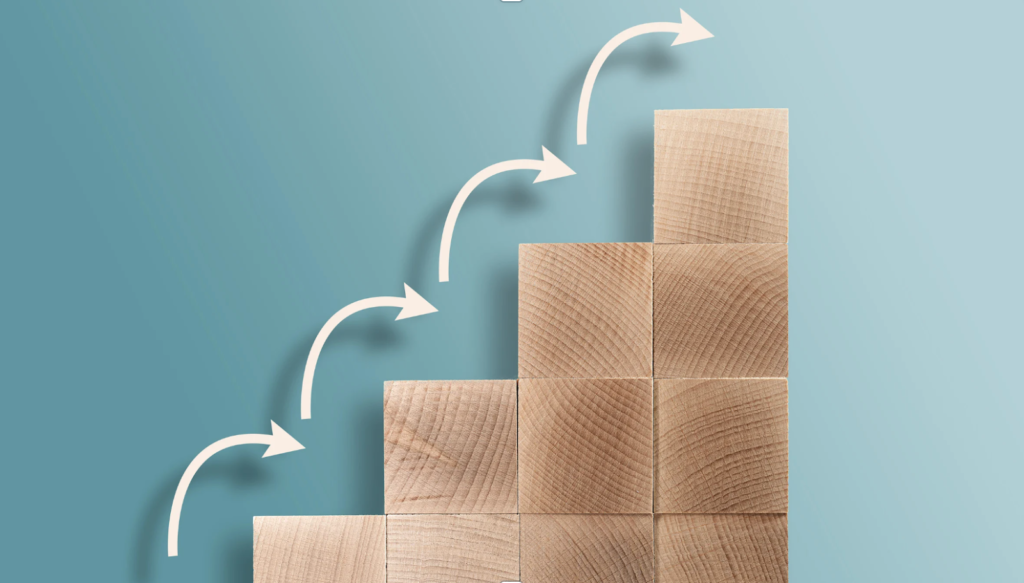
Here’s the everyday planning ritual that works across lifestyles:
Step 1: Anchor Your Planning to a Daily Habit
Choose an activity you already do every day, your morning coffee, finishing dinner, or opening your laptop, and attach your planning ritual to it. This makes planning automatic and effortless.
Step 2: Break Your Long-Term Goals Into Daily Actions
Look at your big goals and ask, What small action today moves me forward? Planning does not mean filling your day with tasks. It means choosing the right tasks that build long-term momentum.
Step 3: Review Your Day in Context
Check today’s deadlines, meetings, classes, routines, commitments, travel time—everything. A day cannot be planned in isolation. Planning becomes powerful when you see the whole picture.
Step 4: Choose Your 1–3 Highlight Tasks
These are the tasks that matter most. They define your success for the day. Everything else is secondary.
Step 5: Use a Time-Based Structure
Instead of writing a long list, allocate time blocks. Time-blocking, deep-work sessions, and focused bursts like the Pomodoro Technique help you stay anchored and avoid distractions.
This framework works because it blends clarity, focus, structure, and flexibility.
Additional Tips to Supercharge Your Planning
Batch Similar Tasks
Grouping related tasks together reduces context switching—one of the biggest productivity killers. Handle emails together, errands together, communication together.
Add Buffers & Breaks
A well-planned day isn’t a tightly packed one. Mini-breaks, pauses, and breathing room prevent exhaustion and keep your mind sharp.
Prepare for Tomorrow the Night Before
A quick 5-minute reflection—what worked, what didn’t, what needs to move forward—sets up a clean slate for the next morning.
Set Up Your Environment
A prepared workspace, accessible tools, and a distraction-minimized environment make execution smooth and friction-free.
These small changes compound into dramatically higher productivity and clarity.
How Fhynix Makes Daily Planning Effortless

A planning system works best when paired with the right tool. Fhynix transforms daily planning into a smooth, consistent process by centralizing tasks, events, and routines into one unified calendar timeline. Here’s how it helps you stay organized and productive:
1. Instant Task & Event Creation
Add tasks or events quickly using text, voice, or AI input. Natural language understanding converts your words into precise events, e.g., Study at 6 pm or Pay rent tomorrow. Eliminates the need for multiple apps or manual entry, reducing friction in your workflow.
2. Unified Calendar Timeline
Tasks appear directly in your calendar, removing scattered to-do lists. Color-coded schedules separate work, personal, and routine activities at a glance. Visual clarity makes it easier to plan realistically and avoid overbooking.
3. Seamless External Calendar Sync
Sync Google, Apple, or Microsoft calendars into Fhynix. Prevent conflicts and keep all events in one central view. Manage personal and professional commitments without juggling multiple apps.
4. Habit & Routine Automation
Set recurring habits or routines that automatically appear in your calendar. Build consistency for daily activities like workouts, study sessions, or meetings. Helps you turn intentions into long-term habits without extra effort.
5. Smart Reminders & Notifications
Receive timely alerts to stay on track throughout the day. WhatsApp notifications for calendar events ensure you never miss an important task. Reduces mental load by keeping reminders in one system, so you can focus on what matters.
6. Visual & Actionable Planning
The timeline view gives a clear picture of your day’s structure. Quickly adjust, move, or prioritize tasks with a single tap. Keeps your day actionable, structured, and aligned with your goals.
Fhynix turns planning from a chore into a streamlined, visual process. By centralizing tasks, events, habits, and reminders in one intuitive calendar, it ensures your day stays organized, productive, and stress-free.
The Real Outcome of Planning Your Day
Planning isn’t about packing your day with tasks. It’s about replacing chaos with clarity and giving yourself the mental space to focus on what truly matters.
By following a simple daily framework, anchoring your planning ritual, choosing highlight tasks, and structuring your time, you create momentum that compounds every single day. Over time, even small daily actions lead to massive transformation.
Whether you’re striving for academic excellence, managing work-life balance, or building long-term dreams, thoughtful daily planning becomes your silent advantage. Start small, stay consistent, and let your daily structure guide you toward your bigger goals.
Helpful Resources to Improve Your Daily Planning
Here are practical concepts readers can explore to deepen their planning habits:
- Time Management Tools – Structuring your day with dedicated time slots
- Daily Routine Template – Pre-built frameworks for consistent daily structure
- How to Use a Daily Planner – Complete step-by-step guide for effective planning
- Best Daily Planner – Choosing the right tool for your needs
- How to Make a To-Do List – Creating actionable task lists that work
These tools strengthen your planning system and make it easier to stay consistent, intentional, and calm throughout the day. Whether you’re building the best daily routine for students or exploring habit tracking, the right approach transforms your everyday productivity.
Common Questions & Simple Solutions (Mini FAQ)
1. What if my day changes suddenly?
A. Shift your highlight tasks to the next available time block. Flexibility is a part of good planning.
2. I can’t finish everything. Am I failing?
A: Not at all. Move the non-essential tasks forward. Progress matters more than perfection.
3. How many tasks should I plan per day?
A: Keep 1–3 highlight tasks + 3–5 supporting tasks. Too many items dilute focus.
4. What if I’m not a morning person?
A: Plan your day around your natural energy peaks. Productivity isn’t tied to waking up early. it’s tied to knowing when you function best.