
Time Management Tips and Tricks

How Long It Really Takes to Build a Habit (and How to Do It Faster With a Unified Daily Timeline)

Building habits can feel like a lifelong struggle. Whether it’s starting a new workout routine, reading consistently, eating healthier, or practicing a skill, many of us try to implement good habits but find ourselves losing motivation quickly. Popular wisdom often claims that you can form a habit in just 21 days. While inspiring, this idea oversimplifies a complex process and can leave people frustrated when results don’t appear as fast as expected.

The truth is, forming a habit is highly individual and depends on several factors, including the complexity of the behavior, consistency, personal motivation, and environmental cues. This guide will break down what research really says about habit formation, why some habits stick faster than others, and the practical strategies that help you build lasting routines. Along the way, you’ll learn how tools like Fhynix, a calendar-first planning app, can make your habit-building journey smoother, more organized, and ultimately more successful.

What Science Actually Says About Habit Formation

The Myth of 21 Days — And What Research Really Reveals

The idea that habits can be formed in 21 days originated from early self-help literature but doesn’t reflect modern behavioral science. Research conducted by psychologists has shown that the time required to establish a habit varies widely depending on the individual and the specific behavior.

A classic study tracking new behaviors found that, on average, it takes approximately 66 days for a behavior to become automatic. However, participants ranged from 18 to 254 days, demonstrating that habit formation is far from a one-size-fits-all process. A systematic review of health-related behaviors, including exercise, diet, flossing, and drinking water, found that median times for habit formation were roughly 59 to 66 days, with some behaviors taking several months to become ingrained. This wide variability highlights that there is no universal “magic number” for creating a habit, and trying to force a behavior to stick in 21 days can lead to unnecessary stress and discouragement.

Why Habits Form at Different Speeds

The speed at which habits form depends on several key factors.

Complexity of Habit: Simple habits, such as drinking a glass of water each morning, can become automatic more quickly than complex routines like exercising for an hour or writing a daily report. Complex habits require more time, effort, and planning to integrate fully into daily life.

Frequency and Consistency: Habits practiced daily, or very consistently, develop faster than those done sporadically. Regular repetition strengthens the neurological pathways that underpin automatic behavior.

Reward, Motivation, and Context: Habits tied to meaningful rewards or enjoyable experiences tend to stick better. Similarly, stable environmental cues — a set location, time, or routine — improve habit retention and consistency.

Individual Differences: Personality, lifestyle, existing routines, and personal motivation all affect how quickly habits form. Some people thrive with structure, while others may need additional external support to maintain consistency.

What Makes Habit-Formation Work — Key Principles

The Habit Loop — Cue → Action → Reward

The psychology of habit formation revolves around the habit loop: a cue triggers an action, which is then reinforced by a reward. The cue could be a time of day, an emotional state, or an environmental trigger. The action is the behavior you want to establish, and the reward provides the brain with positive reinforcement, encouraging repetition.

Over time, repeating this loop strengthens neural pathways, making the behavior automatic. Consistency is critical: small, repeated actions eventually create habits that no longer require conscious effort.

Start Small — Simplicity First

Starting with manageable steps is essential for habit formation. Trying to overhaul your life in a single day often leads to overwhelm and failure. By focusing on small, achievable actions — such as reading five pages each morning or taking a ten-minute walk — you create momentum. Smaller habits are easier to perform, less intimidating, and more likely to become ingrained quickly. Once these habits stick, they can be gradually scaled up into larger routines.

Use Triggers & Environment to Your Advantage

Linking habits to existing routines or environmental cues makes them easier to maintain. For example, if you want to build a habit of journaling, do it immediately after brushing your teeth each morning. Consistency in timing and location reduces the friction associated with starting a new habit and strengthens the cue-action connection. Your surroundings play a powerful role — a stable environment makes habits more predictable and reliable over time.

Reward & Reinforcement — Why Enjoyment Matters

Enjoyment is a crucial factor in habit retention. Habits tied solely to discipline or obligation are more likely to fade quickly. Incorporating internal or external rewards, such as the satisfaction of checking off a completed task or the mood boost from a short walk, encourages repetition. Rewarded behaviors reinforce the brain’s neural circuits, making it easier to perform the habit consistently and creating a sustainable habit loop.

Step-by-Step Plan to Build Strong Habits

How to Create Habits That Actually Stick

Step 1: Choose One Habit & Define Clear Goal
Focus on one habit at a time and define a clear, specific goal. Avoid trying to implement multiple changes simultaneously, which can lead to overwhelm and burnout. Clarity about your objective ensures that your energy is focused and measurable progress is visible.

Step 2: Start Small and Simple
Select manageable actions that are realistic to perform daily. For example, instead of committing to an hour-long workout immediately, start with a ten-minute routine. Small successes build confidence and set the stage for scaling the habit gradually.

Step 3: Link the Habit to a Trigger or Routine
Attach your new habit to an existing habit or daily routine. This could be anything from journaling after your morning coffee to doing stretches after brushing your teeth. Linking a habit to a familiar cue strengthens the brain’s association and makes it easier to remember.

Step 4: Track & Record Progress
Consistency improves when you can see your progress. Use a planner, habit tracker, or digital tool like Fhynix to log each completed day. Visual progress provides motivation, reinforces the habit loop, and highlights streaks that encourage continued adherence.

Step 5: Stay Consistent, Be Patient
Expect that habit formation may take 2–5 months or longer depending on complexity. Avoid discouragement from minor setbacks; occasional misses do not reset your progress. What matters is cumulative consistency over time, not perfection on every day.

Step 6: Use Rewards & Positive Reinforcement
Celebrate small wins to reinforce positive behavior. Even minimal rewards, such as a mental pat on the back or a short break after completing a habit, strengthen neural connections and increase the likelihood that the habit becomes automatic.

Common Habit-Formation Mistakes & How to Avoid Them

Why Many Habits Fail — Common Pitfalls

  • Trying Too Many Changes at Once: Overloading yourself with multiple new habits increases the likelihood of burnout and failure.
  • Setting Unrealistic Expectations: Believing in the 21-day myth can cause disappointment when progress is slower than expected.
  • Ignoring Environment & Triggers: Habits without consistent timing or location are difficult to maintain.
  • Skipping Tracking: Without recording your progress, it’s easy to forget and underestimate habits, reducing accountability.
  • Lack of Reward or Enjoyment: Habits that rely solely on discipline fade faster than those with meaningful rewards.

How to Stay on Track

To maintain habit-building momentum, start small, track consistently, adjust your context, and focus on positive reinforcement. Allow flexibility when necessary, and emphasize intrinsic motivation — enjoying the habit itself ensures long-term adherence.

How Fhynix Helps You Build Habits Faster & More Consistently

Using Tools to Support Habit Formation

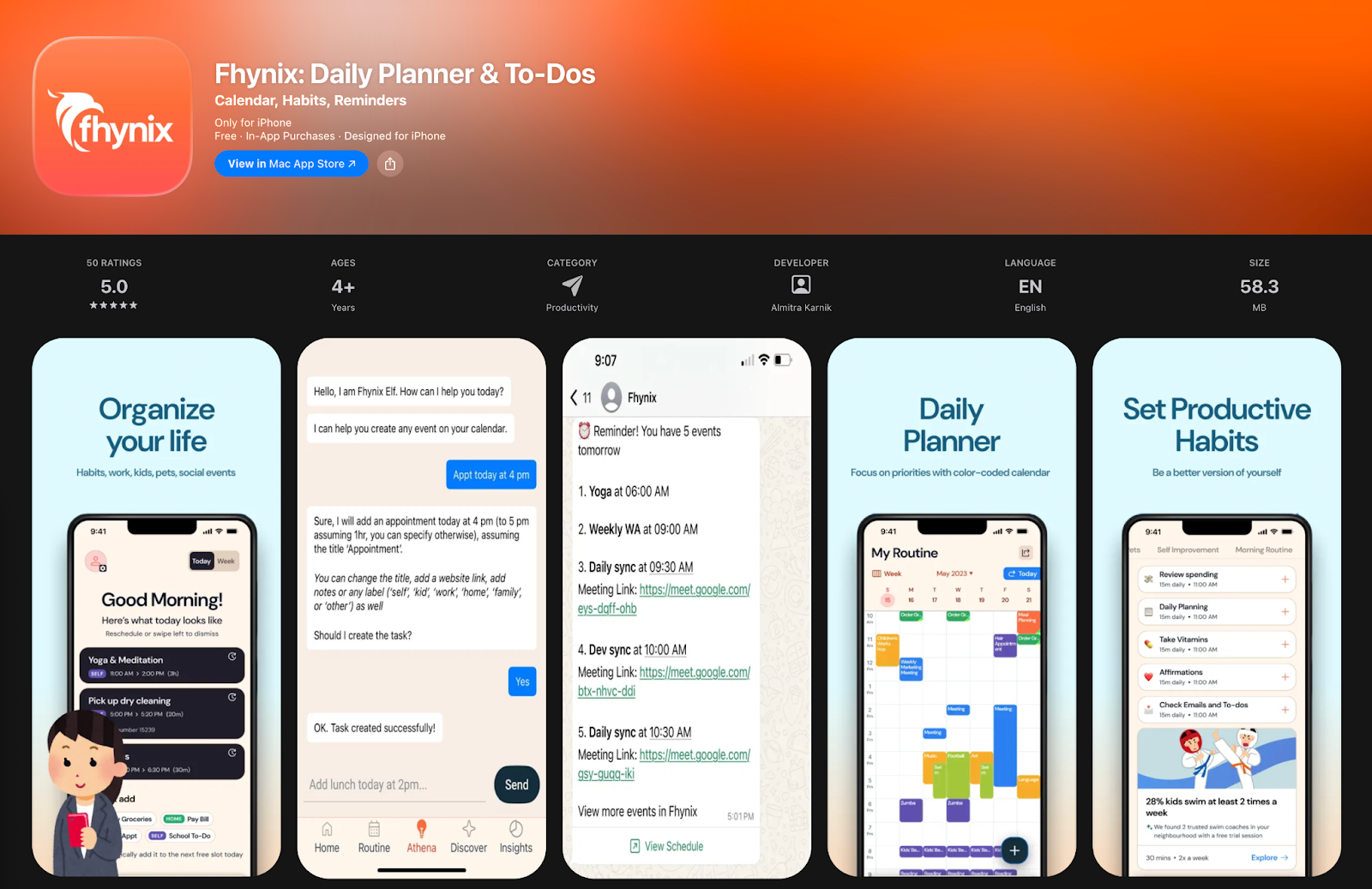
Tools can dramatically improve habit retention when used correctly. Fhynix, a calendar-first planning app, allows you to:

  • Track Habits Visually: Assign habits to specific time slots on your calendar for clear visualization.
  • Set Reminders & Recurring Events: Automatic notifications and recurring schedules help maintain consistency effortlessly.
  • Monitor Progress with Logs: Track habit streaks and completion rates to reinforce the neural habit loop.
  • Reduce Friction: Quick digital entry, voice or text input, and calendar integration make logging and performing habits easier.

By combining research-backed strategies with a tool like Fhynix, you ensure habits are not just planned but executed consistently, leading to lasting lifestyle changes.

Conclusion: Realistic Expectations + Consistent Action = Habit Success

Habit formation is a personal journey. There is no universal timeline — it depends on the habit’s complexity, the frequency of practice, environmental context, and individual differences. Starting small, staying consistent, and giving yourself patience are essential. Using tools like Fhynix can simplify tracking, schedule habits efficiently, and reinforce progress visually.

Small, repeated daily actions compound into significant lifestyle improvements over time. Progress matters more than perfection. By combining scientific insight, practical strategies, and supportive tools, anyone can build habits that truly stick and create meaningful, lasting change.

FAQ: Frequently Asked Questions About Habit Formation

Is it true you can build a habit in 21 days?
No, the 21-day rule is a myth. Research shows habit formation can take anywhere from 18 days to 254 days depending on the habit and the individual.

Why does habit formation time vary so much from person to person?
Factors include habit complexity, routine consistency, environmental cues, motivation, and personal lifestyle.

What if I miss a day — does that reset everything?
No. Occasional misses are normal. Focus on cumulative consistency rather than daily perfection.

How many habits can I work on at once?
It’s best to start with one or two habits to avoid overload and ensure consistency.How do I keep motivation over months?
Track progress, celebrate small wins, and use supportive tools like Fhynix for reminders, recurring routines, and visible streaks.

Leave a Reply

Your email address will not be published. Required fields are marked *