
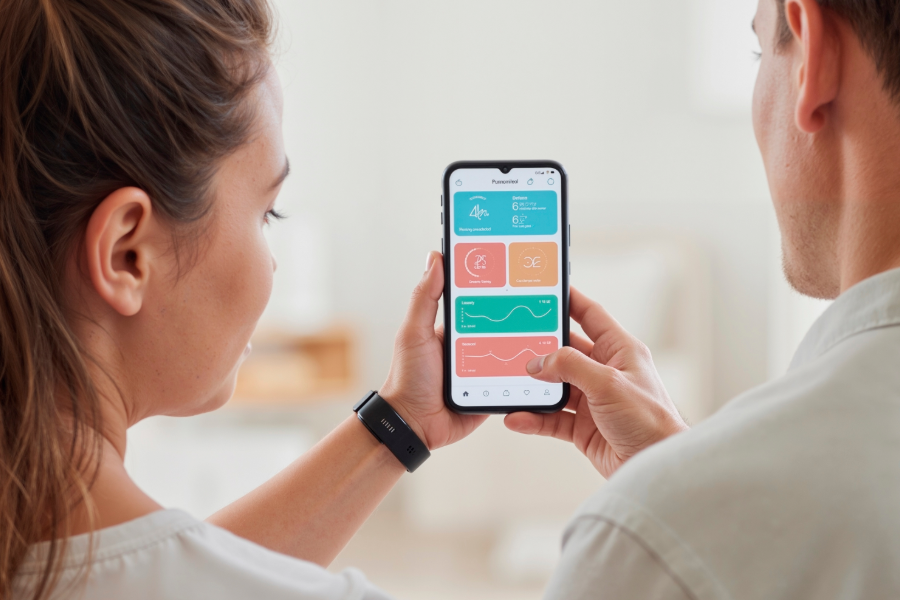
If you’ve ever searched for a “habit tracker,” you know the drill: download an app, track religiously for three days, then forget it exists by next Tuesday.
Building habits is hard enough without adding the extra task of maintaining a tracking system. Yet thousands of people swear by habit trackers, claiming they’re the key to lasting change. So what’s the difference between apps people abandon and apps people actually use?
This guide looks at what real Reddit users say about habit tracking — what apps they stick with, what features actually matter, and why sometimes the simplest solution beats the fanciest gamification.
Why Most Habit Trackers Get Abandoned
The pattern repeats itself across countless Reddit discussions: someone downloads a habit tracker, sets up 15 ambitious habits, uses it for a week, then never opens it again.
Here’s what usually goes wrong:
Too many habits at once — Starting with “drink water, exercise, meditate, read, journal, call mom, stretch, learn Spanish” is setting yourself up to fail. When you miss several habits daily, the app becomes a source of guilt instead of motivation.
Streak anxiety kills motivation — Many trackers emphasize streaks. Miss one day and your 47-day streak is gone. As one user noted about wanting alternatives: “It’s different, because it’s using ‘momentum’ charts and it’s less demotivating when you fail streak.”
Free versions are too limited — Apps advertise “free habit tracking” but cap you at 3-7 habits. When you need to track more, you hit a paywall.
Data gets lost — One frustrated user: “I’ve been using it for years and my phone recently bricked on me so I’ve lost all my data.” No cloud sync means losing months of progress.
Gamification feels childish — Not everyone wants to raise a virtual pet or fight monsters. Some people just want a simple checkmark.
The best habit trackers disappear into your routine instead of becoming another thing to maintain.
What Makes a Good Habit Tracker?
Based on real user experiences, here’s what actually matters:
Unlimited habits on free plans — Real life doesn’t cap your growth at seven habits. As one user put it: “I have found one with free unlimited habits and an aggregated score that includes all your habits.”
Simple, clear interface — The easier it is to mark a habit complete, the more likely you’ll actually do it. Complicated setups get abandoned.
Forgiving failure mechanics — Missing a day shouldn’t feel catastrophic. Good trackers show trends and progress, not just broken streaks.
Cloud sync or backup — Your data should survive phone upgrades, crashes, or switching devices.
Customizable reminders — Different habits need different reminder times. One-size-fits-all notifications don’t work.
Stats that motivate, not shame — Progress visualization should inspire you to continue, not make you feel guilty about imperfection.
For those exploring best habit tracking apps, these features separate tools you’ll use for years from apps you’ll delete next week.
Habit Tracker Apps That People Actually Use

Let’s look at what real users recommend and why they stick with them.
Fhynix — Habit Building Through Daily Routines
Best for: People who want habits integrated with their daily schedule
Instead of treating habits as isolated checkboxes, Fhynix integrates them into your daily timeline alongside tasks and events.
What makes it different:
- Calendar-based habit tracking — See habits in context of your actual day
- Voice and text entry — Add habits naturally without forms
- WhatsApp reminders — Get notifications where you actually check messages
- Flexible rescheduling — When life disrupts your routine, adjusting is simple
Unlike standalone habit trackers that exist in isolation, Fhynix connects habit building with how to make a habit tracker principles that emphasize consistency within your actual schedule.
One user mentioned the importance of integration: “I constantly write them feedback on what they can improve and they seem to be working on a lot of stuff already. They’re already working on a 2 way google cal sync.”
For professionals seeking best daily routine applications that combine planning with habit tracking, Fhynix offers both without requiring separate apps.
Loop Habit Tracker — Simple and Straightforward
Best for: Android users who want no-frills tracking
Loop consistently gets mentioned as the cleanest, simplest habit tracker available.
What users love:
- “Much simpler and straight forward compared to the others I’ve seen. More sleek and to the point.”
- “Simple tick and easy to view and has stats for each habit”
- Completely free with unlimited habits
- Clean design without clutter
The drawback:
- No automatic cloud sync (requires manual backups)
- Android only
- Minimal gamification (which some see as a feature, not a bug)
Loop works brilliantly if you want basic tracking without the overhead of complex features.
Daylio — Habit Tracking + Mood Journal
Best for: People who want to understand connections between habits and wellbeing
Daylio combines habit tracking with mood journaling, helping you see patterns between what you do and how you feel.
Why people stick with it:
- “I can track my habits, but the daily mood and journal function is the bee’s knees.”
- “I really appreciate being able to track the statistics of my daily life and how it correlates to how I’m feeling.”
- “It also serves as a diary”
The app appeals especially to neurodivergent users who benefit from seeing data visualizations of their patterns. For those exploring how to plan effectively with ADHD, Daylio’s mood-habit correlation features provide valuable insights.
HabitNow — Feature-Rich for Android
Best for: Android users who want detailed customization
HabitNow gets praised for comprehensive features at a one-time purchase price (not a subscription).
Standout features:
- “Detailed stats and features like monthly/yearly goal setting, daily tracking notes, multiple reminders, priority, timer, interval timer”
- Purchase once, own forever
- Two-way Google Calendar sync in development
- “The most underrated habit tracking app imo”
Limitation:
- Android only
- Free version caps at 7 habits
Users who invest time customizing HabitNow often stick with it long-term because it adapts to their exact needs.
Habitica — Gamification for Motivation
Best for: People motivated by games and community accountability
Habitica turns habit tracking into an RPG game where completing habits levels up your character and missing them damages your health.
What makes it unique:
- “Doing quests with your friends is a really good way to keep yourself accountable. (you miss a day = the boss damages everyone)”
- Open source
- Character customization
- Social accountability features
Why some abandon it:
- “Tried it but was too overloaded for me”
- Can feel juvenile if gamification doesn’t resonate
- Complexity intimidates some users
Habitica works wonderfully for specific personalities but overwhelms others. Know yourself before committing.
Streaks — Apple Ecosystem Integration
Best for: iPhone and Apple Watch users who want automatic tracking
Streaks integrates with Apple Health, automatically marking habits complete based on data from your devices.
The automation advantage:
- “It can determine automatically if you achieve a Habit. For example, I want to workout everyday for 1 hour, well, it takes my data from my Apple Watch and marks it as complete.”
- Tracks sleep, workouts, water intake, study time automatically
- Deep Apple ecosystem integration
Limitations:
- iOS only
- Requires Apple Watch for best functionality
- Not free (one-time purchase)
For Apple users who want minimal manual tracking, Streaks removes friction by connecting with data you’re already generating.
Bullet Journal — The Analog Alternative
Best for: People who find digital tracking stressful
Multiple users mentioned paper-based tracking: “I track my habits in my journal. I like how customisable it is, and I like sitting down at the end of my day without a screen.”
Another explained: “I set up a tracker for each month and add/remove things as I need to. Seeing the page fill up with dots as I track my month is satisfying.”
Benefits of analog tracking:
- No apps to manage
- Completely customizable
- Screen-free evening routine
- Tactile satisfaction
- Zero privacy concerns
One user raised an important point about digital apps: “Do you guys realise that all these apps mine your data, aggregate it, most likely sell your info to third party clients?”
For those interested in combining digital and analog approaches, exploring how to make a to-do list reveals hybrid strategies that work.
What Actually Helps Build Habits (Beyond the Tracker)
Here’s what users discovered about successful habit formation:
- Start with fewer habits — One user’s wisdom: “I’m going to track four habits and if it works out, I’m going to pay for the full version, no problem.” Master a few before adding more.
- Focus on trends, not streaks — Tools that emphasize momentum over perfect streaks reduce anxiety. Missing one day shouldn’t erase weeks of progress.
- Connect habits to existing routines — Standalone habits fail. Habits tied to existing behaviors stick. This is where calendar integration matters.
- Make tracking effortless — The less friction involved in marking a habit complete, the more likely you’ll maintain the tracking system itself.
- Use community accountability — Whether through Habitica’s quests or sharing progress with friends, social pressure helps.
These principles matter more than which app you choose. For deeper exploration, check out atomic habits fhynix for implementation strategies.
When Habit Trackers Actually Hurt Progress

Sometimes the tracker becomes the problem.
Stop using a habit tracker if:
- Checking off boxes feels more important than the actual behavior
- Missing a day triggers spiraling guilt and abandonment
- You’re tracking to feel productive instead of building real skills
- The system requires more maintenance than the habits themselves
- Tracking creates stress instead of clarity
One user’s honest admission: “I haven’t found a single habit tracker that covers all my needs so I currently use Streaks, AmazingMarvin, and my own app 😅”
If you need three different apps, the system is too complex.
Choosing the Right Habit Tracker for You
Here’s how to decide:
If you want the simplest possible tracking:
→ Loop Habit Tracker (Android) or a bullet journal
If habits connect to mood and wellbeing:
→ Daylio
If you’re deep in Apple’s ecosystem:
→ Streaks with Apple Watch
If gamification motivates you:
→ Habitica
If you want habits integrated with daily planning:
→ Fhynix
If you’re on Android and want deep customization:
→ HabitNow
If you’re concerned about privacy:
→ Paper journal or Loop (no cloud required)
The “best” habit tracker is the one you’ll still be using six months from now.
Final Thoughts
The habit tracker doesn’t build the habits — you do. The tracker just provides structure and feedback.
Start simple. Pick one app (or a notebook). Track 3-5 habits maximum. Give it two weeks before adding complexity or switching tools.
Most importantly, remember why you’re building these habits in the first place. The tracker is a tool, not the goal. When checking boxes becomes more important than the behavior itself, step back and reassess.
Your life gets better through consistent action, not through finding the perfect tracking system. Pick something simple, start today, and adjust as you go.
Frequently Asked Questions
What is a habit tracker?
A habit tracker is a tool (app or paper-based) that helps you record whether you completed specific behaviors each day. It provides visual feedback on consistency, helps identify patterns, and creates accountability for building new habits or breaking old ones.
What’s the best free habit tracker app?
Loop Habit Tracker (Android) and Daylio offer the most generous free plans with unlimited habits. For iOS users, many prefer simple paper tracking or paid apps like Streaks. Fhynix integrates habit tracking with daily planning if you want both in one place.
Why do people abandon habit trackers?
The main reasons are: tracking too many habits at once, streak anxiety after breaking a chain, free versions being too limited, losing data when phones break, and gamification feeling juvenile. The best trackers feel effortless to maintain.
Should I use a digital or paper habit tracker?
Digital trackers offer convenience, reminders, and automatic backups. Paper trackers provide screen-free routines, complete customization, and zero privacy concerns. Many successful people use hybrid approaches — digital for some habits, paper for reflection. For building consistent routines, check out good habits automation fhynix.
How many habits should I track at once?
Start with 3-5 maximum. Master those before adding more. Tracking 15 habits simultaneously usually leads to abandoning the system entirely. Focus on habits that create compound benefits, and remember that consistency with a few habits beats sporadic effort across many.