
In today’s fast-moving workplace, employees no longer want to “just work”—they want to grow, learn new skills, and contribute meaningfully. For companies, this shift has made structured employee development plans essential. A well-designed development plan outlines where an employee currently stands, where they want to go, and the specific steps required to get there.
For employers, the benefits are clear: higher productivity, stronger engagement, lower turnover, and teams that evolve with the organization’s goals. Companies that invest in employee development often see better performance and internal leadership pipelines. For employees, having a clear plan removes confusion and creates motivation because they know what to work on and how their growth aligns with the company’s mission.
Modern businesses—especially startups, remote teams, and growing organizations—use digital planning systems to make this process streamlined and collaborative. With productivity tools like Fhynix, managers can track progress, break development goals into actionable tasks, and maintain accountability without constant supervision. When development planning is structured and visible, both the employee and the organization stay aligned on growth.
What is an Employee Development Plan?
An employee development plan is a structured document that outlines an employee’s career goals, skill gaps, and the actions needed to develop professionally. It acts as a roadmap that guides both managers and employees toward continuous improvement. Rather than being a performance evaluation tool, a development plan is future-focused—it emphasizes growth, learning, and career direction.
A strong employee development plan typically includes:
Current skills and performance level – Understanding the employee’s starting point and existing strengths.
Short-term and long-term goals – What the employee wants to achieve and where they aim to progress within the organization.
Skill gaps and areas of improvement – Specific technical or soft skills that require training or development.
Activities and training resources – Courses, workshops, mentoring, rotations, or hands-on project opportunities that support growth.
Timeline and milestones – Deadlines and checkpoints that keep the growth journey measurable and on track.
Progress tracking and responsibilities – Clarifying what the manager will support and what the employee must initiate on their own.
A development plan isn’t meant to be identical for everyone; it is personalized to match each employee’s strengths, aspirations, and role requirements. Businesses that prioritize individualized development planning tend to foster a culture of learning and empowerment—something that directly impacts productivity and retention. Tools like Fhynix strengthen this personalization by helping teams break long-term goals into manageable daily or weekly actions that fit naturally into existing schedules.
Step-by-Step Guide: How to Create an Employee Development Plan

Creating an employee development plan becomes much easier when approached systematically. Here is a structured process managers can follow:
Step 1: Identify Current Skills and Performance Level
Start by analyzing where the employee stands today. Review recent performance evaluations, project outcomes, and feedback from peers or supervisors. The goal is to understand what skills the employee already has, where they excel, where they face challenges, and which behaviors or habits need improvement. This honest assessment becomes the foundation of the entire development plan.
Step 2: Set SMART Career and Skill Goals
Both the employee and the manager should collaborate to define Specific, Measurable, Achievable, Relevant, and Time-bound goals. These may include learning a new software tool, improving communication or leadership skills, preparing for a promotion, or building expertise in an industry-specific area. Clear goals give direction and help the employee stay motivated throughout the development journey.
Step 3: Choose the Right Development Activities
Now decide how the employee will bridge the skill gap. Activities can include training courses or certifications, attending workshops or webinars, job shadowing a senior colleague, mentorship or coaching sessions, working on stretch assignments or real projects, or cross-department rotations. The key is to select activities that match the planned outcomes and learning style of the employee, ensuring engagement rather than forcing a one-size-fits-all approach.
Step 4: Create a Timeline with Milestones
Set a realistic timeline that includes quarterly or monthly checkpoints. Milestones make progress measurable and ensure the employee doesn’t feel overwhelmed by distant goals. Timelines also allow managers to support employees with timely resources, adjustments, or encouragement when challenges arise.
Step 5: Assign Responsibilities
An effective development plan clearly outlines what the employee must do and how the manager will support them. This prevents misunderstandings and creates shared ownership of the growth process. The employee should know which tasks they own, while managers commit to providing resources, feedback, and guidance at agreed intervals.
Step 6: Choose Tools for Tracking Growth and Accountability
This is where digital planning becomes powerful. Calendar-first tools like Fhynix help break development goals into weekly tasks, track progress visually, maintain a record of completed milestones, and create accountability without micromanagement. When goals are consistently tracked within a unified timeline, employees stay motivated, and managers can see real progress without constant check-ins. AI planners are a winner.
How to Stay Accountable to the Development Plan
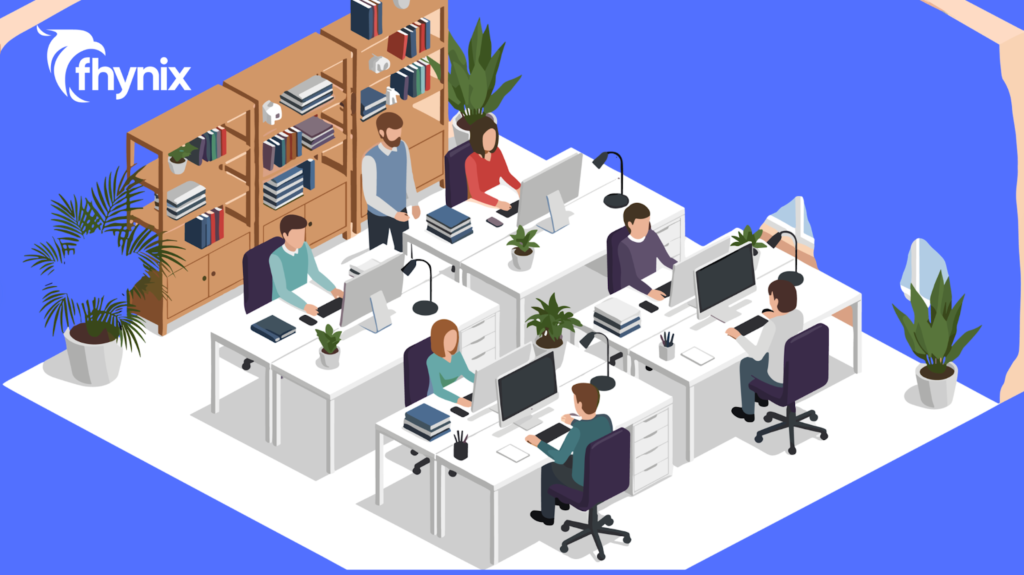
An employee development plan is only effective if both the manager and employee stay committed to it. Accountability ensures that the plan isn’t just a document—it’s a living framework that guides real growth. Here’s how to build accountability into the process:
Schedule Regular Check-ins
Monthly or bi-weekly check-ins help both parties evaluate progress, discuss challenges, and refine goals. These meetings should be structured and purposeful, not casual catchups. Managers can use these sessions to review tasks completed, discuss barriers the employee faced, offer new resources or mentoring opportunities, and adjust the timeline if needed. Consistency in these meetings signals that development is a priority, not an afterthought.
Break Goals Into Trackable Tasks
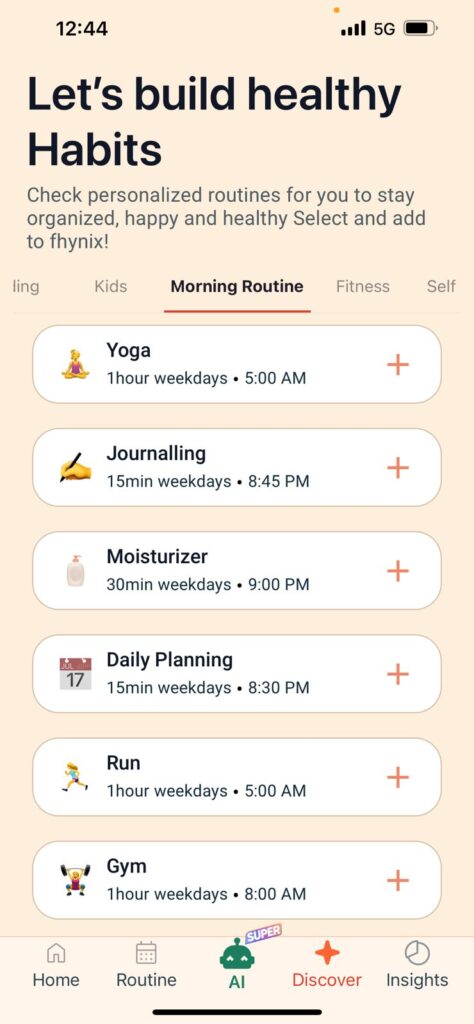
Large development goals—like learning a new skill or preparing for a leadership role—can feel overwhelming. Breaking them into weekly micro-tasks makes execution manageable. This is where platforms like Fhynix help structure progress into simple, visible steps so the employee always knows what to do next. When tasks appear directly in a calendar timeline alongside regular work commitments, development becomes part of the daily routine rather than an extra burden.
Create Shared Visibility
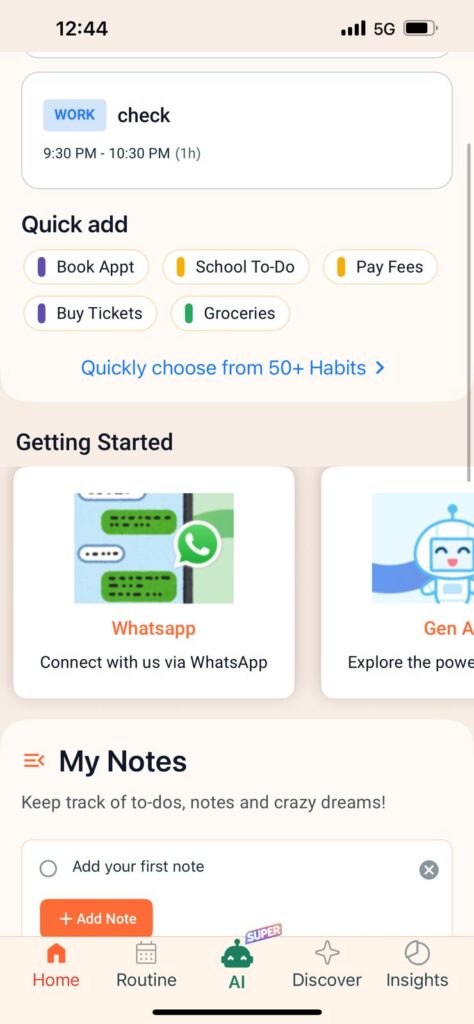
Both the employee and manager should have access to the same progress dashboard. Transparency increases trust and prevents either person from feeling left out of the development process. With Fhynix, both sides can monitor the timeline, track completion streaks, and stay aligned on what’s been accomplished and what’s coming next. This shared visibility eliminates the need for constant status updates while maintaining clear communication.
Celebrate Milestones
Recognizing wins keeps motivation high. Whether completing a course, leading a project for the first time, or demonstrating a newly developed skill, celebrating progress reinforces learning and builds confidence. These celebrations don’t need to be elaborate—simple acknowledgment in team meetings or one-on-one praise can make a significant difference in maintaining momentum.
Employee Development Plan Examples for Different Roles
To make the concept clearer, here are practical examples of development plans tailored for different roles. These can be adapted based on your organization’s needs:
Example 1: Development Plan for a Marketing Executive
Goal: Become proficient in digital analytics and lead one data-driven campaign by the end of the quarter.
Skill Gaps: Limited experience with analytics tools, needs stronger reporting skills.
Planned Activities: Online course on Google Analytics, weekly mentoring with the analytics team, hands-on practice with campaign dashboards, stretch assignment designing a small paid ads campaign.
Timeline: 12 weeks with monthly milestone reviews.
Tracking: Weekly tasks logged through a daily planner system to maintain consistency.
Example 2: Development Plan for a Customer Support Associate
Goal: Strengthen conflict resolution and communication skills; aim for a senior associate role in six months.
Skill Gaps: Difficulty handling escalations, needs structured communication frameworks.
Planned Activities: Training on customer interaction frameworks, role-play sessions with the team lead, shadowing senior associates, attending a soft-skills workshop.
Timeline: 6 months with bi-weekly check-ins.
Tracking: Monthly reviews plus communication practice logs maintained in a unified planning system.
Example 3: Development Plan for a Software Developer
Goal: Transition into a full-stack role within nine months.
Skill Gaps: Limited knowledge of backend technologies, needs better documentation habits.
Planned Activities: Enroll in backend development certification, pair programming with senior developers, build two full-stack internal tools, weekly documentation practice.
Timeline: 9 months with quarterly milestone assessments.
Tracking: Project milestones tracked digitally with clear deadlines in the calendar timeline.
Tools That Support Employee Development Planning
Traditional development plans often get lost in Excel sheets or buried inside emails. Modern companies prefer digital systems that make planning, tracking, and reviewing progress fast and transparent.
Fhynix: Calendar-First Development Tracking
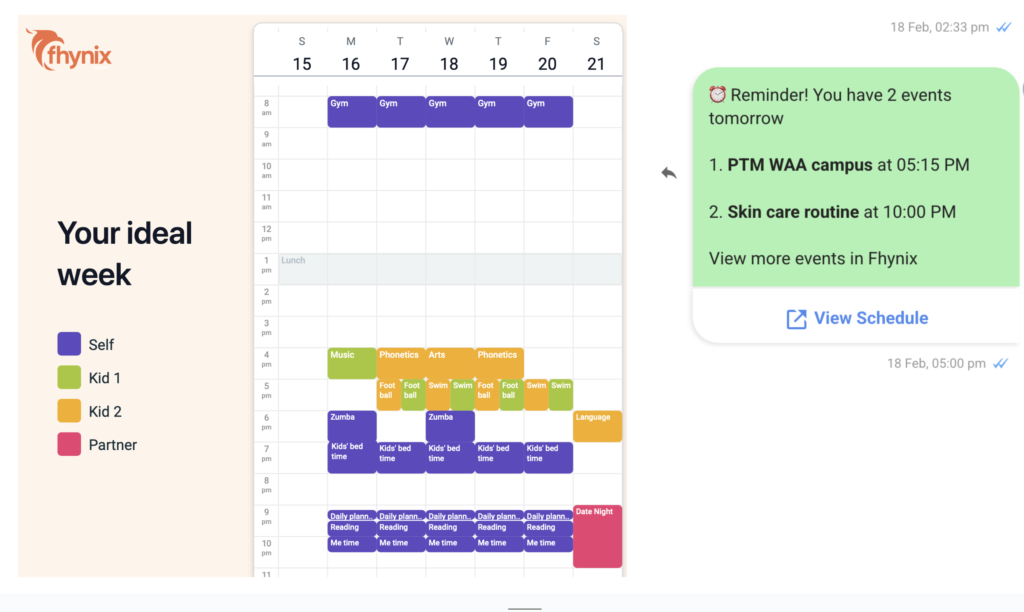
Fhynix is ideal for breaking development goals into small, trackable actions that fit naturally into daily schedules. It helps employees convert long-term goals into actionable plans, build the habit of daily consistency, and track both personal and professional growth in one unified timeline.
For managers, Fhynix offers visibility into progress and encourages self-managed learning without constant reminders. Development tasks appear directly in the calendar alongside regular work commitments, making growth a natural part of the workday rather than something that gets constantly postponed.
The platform’s WhatsApp reminder integration ensures important development milestones don’t get missed, while the visual timeline makes it easy for both employees and managers to see progress at a glance. Color-coded categories can distinguish between training activities, project work, and regular responsibilities, creating clarity without complexity.
Learning Management Systems
Platforms like Coursera, Udemy Business, or LinkedIn Learning are essential when employees need structured courses or certifications as part of their development. These integrate well with planning tools to create comprehensive development ecosystems.
Performance Management Systems
Tools like Leapsome, Lattice, or 15Five help companies track performance reviews, competency frameworks, and progress over time, complementing the day-to-day task management provided by calendar-first planners.
Project Management Platforms
Asana, Trello, and ClickUp are useful when development involves real project tasks or cross-team collaborations, though they work best when paired with time management tools that help employees balance development activities with regular responsibilities.
Making Development Plans Actually Work
The difference between development plans that succeed and those that fail often comes down to integration. When development activities exist in separate systems or disconnected documents, they compete with regular work priorities and often lose. When they’re integrated into the same timeline where employees manage their daily tasks, they become part of the natural workflow.
This calendar-first approach transforms abstract development goals into concrete time commitments. Instead of hoping employees will find time for professional growth, you schedule it. Instead of wondering whether training is happening, you see it in the shared timeline. Instead of quarterly surprise discussions about lack of progress, you have ongoing visibility that enables timely support.
The key is choosing tools that reduce friction rather than adding administrative burden. The easier it is to log progress, track completion, and adjust plans, the more likely both managers and employees will maintain the system consistently.
Conclusion
An effective employee development plan isn’t just a document—it’s a system for continuous growth. When managers take the time to understand each employee’s strengths, define clear goals, and create a structured timeline for learning, they build a culture where people grow with intention instead of guesswork.
But development only works when it’s consistent. The best plans break big goals into small, trackable actions that employees can follow daily. This is where many organizations struggle—not in planning, but in staying accountable.
Using a calendar-first tool like Fhynix helps employees and managers stay aligned without micromanagement. Daily tasks, review meetings, training activities, and progress checkpoints all sit together in one timeline, making development simple, visible, and repeatable. When growth becomes part of the schedule, it finally becomes achievable.
If you’re ready to build development plans that actually drive results—not just fill files—start using a unified planning system that treats employee growth as seriously as project deadlines. Try Fhynix to turn employee goals into daily actions, track progress effortlessly, and keep teams accountable with one clean calendar timeline.