

The “bullet journal habit tracker” has become a cornerstone of the wellness and productivity world. There is something deeply satisfying about hand-drawing a grid and filling in a tiny square with a burst of color after completing a workout or drinking your eight glasses of water. It’s mindful, creative, and personal.
However, for many of us living a fast-paced life, the “daily grind” eventually makes maintaining a manual journal feel like another chore on an already overflowing list. If you find yourself falling behind on your spreads, it might be time to evolve. At Fhynix, we believe the most effective habit tracker is the one that lives where your time does: in your calendar.
Why Bullet Journal Habit Trackers Are Popular
Bullet journaling (or BuJo) is a system of organization and task management that prioritizes intentionality. A habit tracker in a BuJo acts as a visual record of your consistency.
The Benefits of Manual Tracking:
- Tactile Satisfaction: Physically marking a page provides an immediate dopamine hit.
- Total Customization: You can design aesthetic calendars and layouts that suit your specific style.
- Mindfulness: The act of drawing forces you to slow down and reflect on your goals.
Despite these perks, the manual approach has a major flaw: it isn’t proactive. A paper journal won’t nudge you when you’ve forgotten your habits mid-day.
The Shift to a Calendar-First Habit Tracker
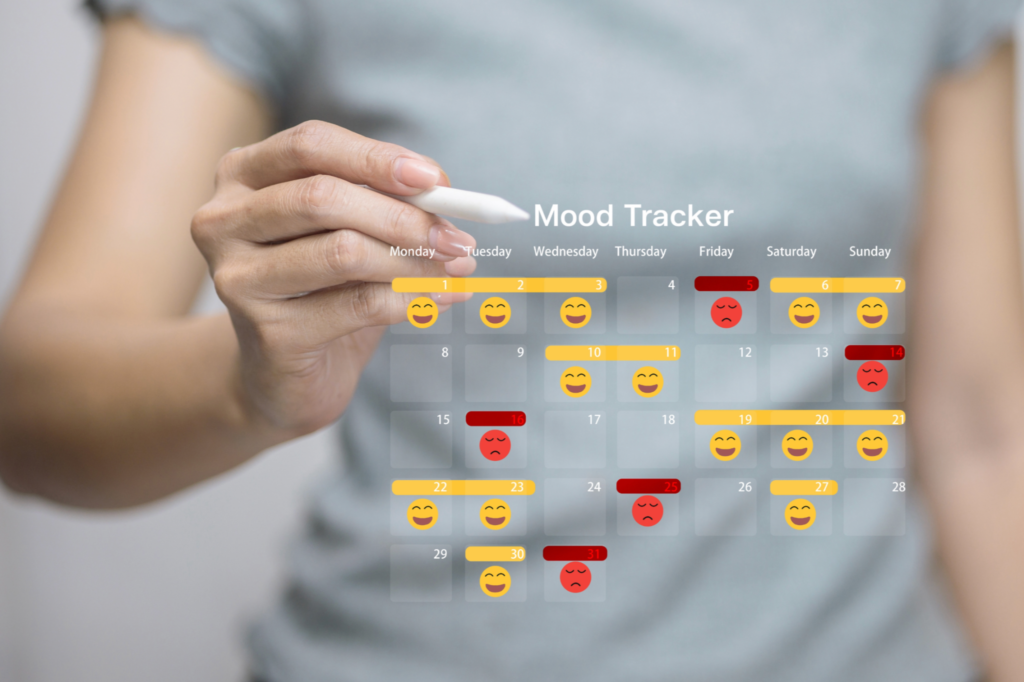
The modern alternative is integrating your habits into a unified productivity planner. Instead of keeping your “habits” in a notebook and your “appointments” in an app, Fhynix merges them into one unified calendar timeline.
Why Habits Belong in Your Calendar:
- Time Awareness: A bullet journal tells you what you did, but a calendar-first daily planner tells you when you will do it.
- Contextual Planning: You can see that you have a back-to-back meeting block, so you shouldn’t schedule your “30-minute reading” habit for that time.
- Automation: With Fhynix, you can set recurring events for habits, making it a good habits automation tool that does the heavy lifting for you.
How to Build a Better Routine with Fhynix

If you’re ready to move from a paper grid to a digital timeline, here is how to plan your day effectively:
- Schedule Your Habits: Treat your habits like non-negotiable meetings. Whether it’s a skin care routine or a gym session, give it a slot on the timeline.
- Use Natural Language: Type “Meditation every day at 7 AM” into Fhynix, and the AI will handle the rest.
- Leverage WhatsApp Reminders: Fhynix sends reminder WhatsApp messages for calendar events. By scheduling your habits as events, you get a gentle nudge on the world’s most popular messaging app.
- One Unified View: Stop switching between apps. Use a best to-do app with tasks and calendar integration to see everything in one place.
The Verdict: Analog or Digital?
If you have the time and love the art, a bullet journal is a beautiful hobby. But if your goal is mastering your productivity, a digital, calendar-first approach is superior. It reduces the “mental load” of remembering to track and ensures your habits actually fit into the reality of your 24-hour day.
Frequently Asked Questions
Can I track habits without a specific “Habit” tab?
Absolutely. In fact, it’s more effective to track them as part of your daily schedule. In Fhynix, your to-dos are now part of your calendar timeline, allowing you to see exactly when you’ll execute each habit.
What habits should I start with?
Start small. Focus on high-impact routines like meal planning or a 10-minute morning reflection. Consistency is more important than intensity.
How long does it take for these tracked actions to become automatic?
Science suggests it varies, but you can read our deep dive on how long it takes to form a habit to understand the psychological timeline of behavior change.